
Understanding the Role of Probate in Estate Management


Understanding Probate
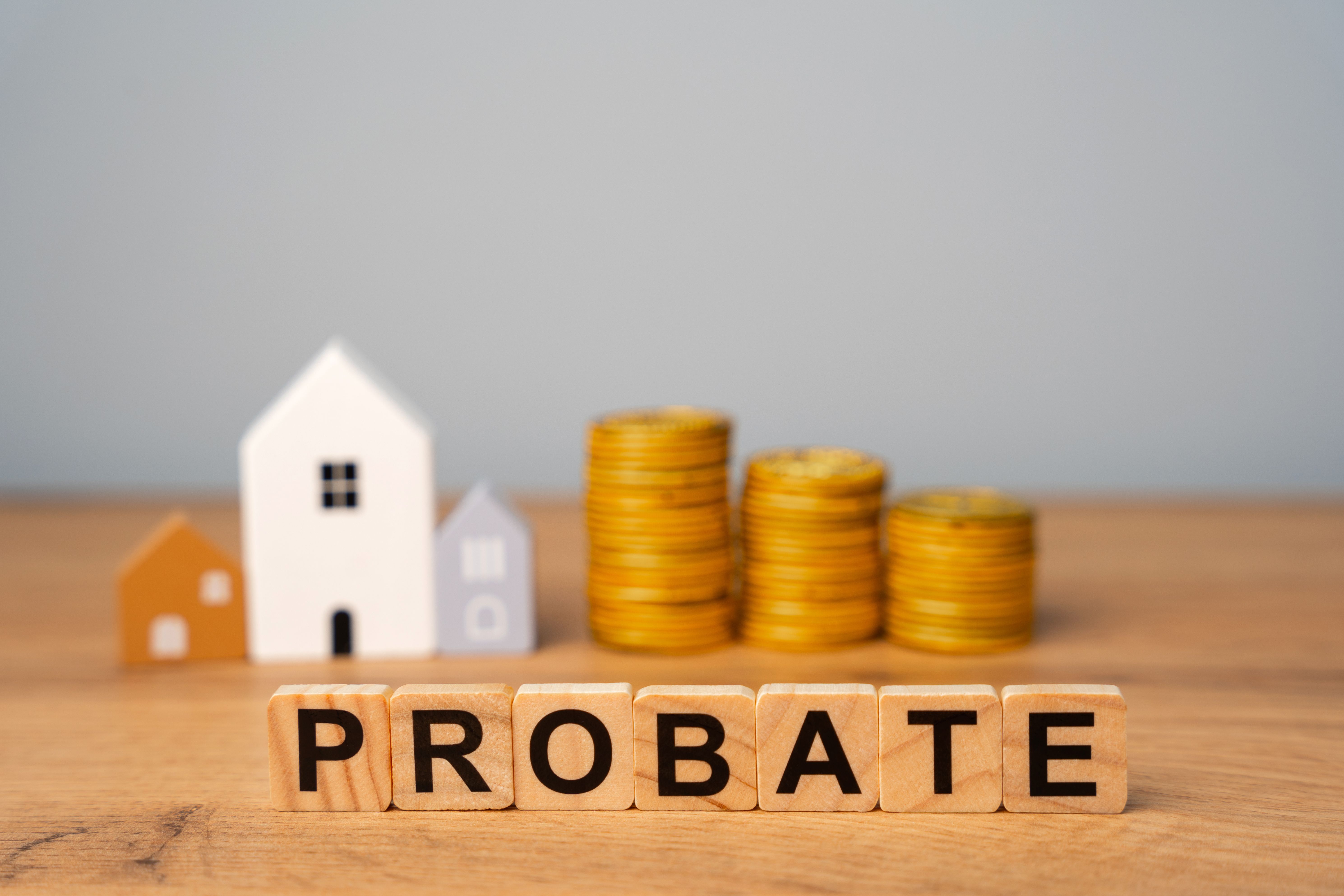
Probate is a legal process that takes place after someone passes away. It involves the administration of a deceased person's estate, ensuring that their assets are distributed according to their will or, if there is no will, according to state laws. For many, understanding probate can be complex, but it plays a crucial role in estate management.
This process helps to validate the deceased's will, pay any debts, and distribute assets to the rightful beneficiaries. While it might seem daunting, probate ensures that the deceased's wishes are honored and that legal requirements are met.
The Probate Process
The probate process typically begins with the appointment of an executor, who is responsible for managing the deceased's estate. This person is often named in the will, but if not, the court can appoint someone. The executor's duties include identifying and collecting assets, paying debts and taxes, and distributing the remaining property as directed by the will.
Once appointed, the executor must file the will with the probate court and provide notice to beneficiaries and creditors. The court will then oversee the process to ensure everything is handled correctly. Depending on the estate's complexity, probate can take anywhere from several months to a few years.

When Probate Is Necessary
Probate is not always necessary for every estate. Small estates or those with assets held in joint tenancy or a trust may bypass the probate process. Each state has its own set of rules and thresholds for what constitutes a small estate.
If the deceased had a well-structured estate plan, including a living trust, probate might not be required. In these cases, assets can be transferred to beneficiaries more quickly and with less legal intervention.
If the property is not in a Trust or Joint Tenancy, please read on.
What Is Probate?
Probate is the legal process that ensures a deceased person’s estate is settled according to their will—or, if there is no will, according to state law.
The probate court oversees several key steps, including:
Verifying the validity of the will
Appointing an executor or personal representative
Identifying and inventorying assets
Paying debts, taxes, and obligations
Distributing remaining assets to heirs and beneficiaries

1. To Ensure the Will Is Valid
The court verifies that the will is authentic and not forged, altered, or created under duress. This protects the decedent’s wishes.
2. To Appoint Someone With Legal Authority
Probate gives the executor or personal representative the legal power to act on behalf of the estate. Banks, title companies, insurance carriers, and government agencies require this authority before releasing information or assets.

3. To Inventory Assets and Establish Estate ValueAssets
Including real estate, bank accounts, vehicles, personal belongings, and investments—must be documented and valued.
For Hawai‘i real estate, this step often includes:
Property appraisal
Title search
Assessing needed repairs or improvements
Determining marketability
This is where Aloha Senior 411 plays a major role—we clear, repair, renovate, and prepare the home so it can sell for maximum value.
4. To Pay Debts and Taxes
Probate ensures all legitimate debts and taxes are paid before inheritance is distributed. Creditors are given an opportunity to make claims, and the estate must settle:
Medical bills
Mortgages
Credit cards
Personal loans
Final income taxes
Property taxes
Possible Backlink:
IRS: “Final Tax Return for a Deceased Person”
5. To Protect Beneficiaries and Ensure Fair Distribution
Probate provides a structured, court-supervised pathway so beneficiaries receive what they are entitled to—fairly and transparently.
If there is no will, probate ensures assets transfer according to Hawaii’s intestate succession laws.
Nolo: “Hawaii Intestate Succession Laws”
6. To Legally Transfer Title of Real Property
One of the most important functions of probate is clearing the title for real estate so it can be sold or transferred.
Probate provides the documentation needed for:
Title companies
Escrow
Mortgage lenders
County records
Trustees or beneficiaries
This ensures the property can be legally transferred without disputes or clouds on title.
How Long Does Probate Take?
In Hawaii, probate typically lasts 6 months to 18 months, depending on:
Family disputes
Number of heirs
Whether assets are organized
The home’s condition
Appraisal needs
Court backlog
A well-prepared estate—especially one with an experienced team—can greatly reduce delays.
How Aloha Senior 411 Helps Families in Probate
When a family home is involved, probate becomes more complex. Many heirs live out of state, are overwhelmed by decades of belongings, or simply don’t have the time to coordinate repairs.
That’s where AS411 steps in.
We offer:
Full home clean-outs
Donations & item sorting
Junk removal
Repairs & minor renovations
Painting & landscaping
Code compliance support
Staging
Professional photography
REAL Broker listing & sale services
Deferred payment options (in many cases)
On average, our enhancements increase home value by $40,000–$90,000, depending on the property.
Probate is about honoring a legacy. We help families move forward with peace of mind—financially and emotionally.
Conclusion
Probate exists to protect everyone involved: the estate, the heirs, creditors, and the integrity of the decedent’s final wishes. While the process can be lengthy and complex, the right guidance can make all the difference—especially when real property is involved.
If your family is facing probate or preparing an estate for sale, Aloha Senior 411 is here to help every step of the way.
Visit AlohaSenior411.com or call (808) 734-7355 to schedule a consultation.